

Safety Sensors
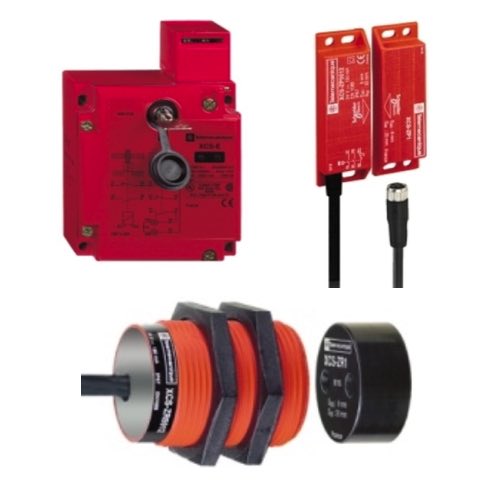
Industrial and commercial applications use safety sensors as essential parts to ensure safety. They are designed to protect people and equipment in hazardous areas by detecting risks and initiating appropriate responses when something or someone may be in danger. Safety sensors work with other safety devices, like safety switches and safety light curtains, to make up the comprehensive safety systems that one hopes will keep them safe in hazardous areas. For example, in machinery, safety sensors might be used to detect if something or someone is in a danger zone and shut down operations to avoid an accident.
In particular applications, such as garage door openers, safety sensors use infrared or other technologies to detect obstructions in the path of the door. When the door is in motion and an obstruction is detected, the door's movement will automatically reverse and the path of the door is unobstructed before the door is permitted to re-enter its downward travel. Safety edge sensors perform a similar function but are installed on the door itself or along the edge of a gate. Safety sensors are designed to be installed easily and connected directly to the door-control apparatus. They are also wired in such a way that reliability and compatibility with other safety solutions are enhanced.


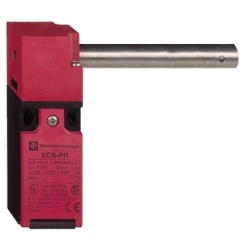
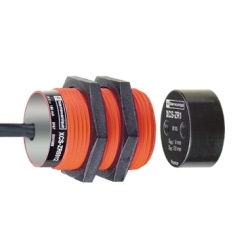
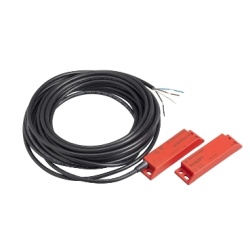
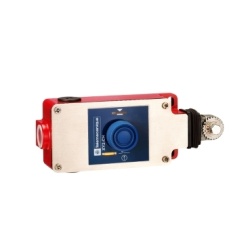
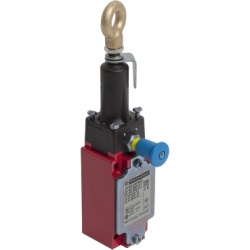
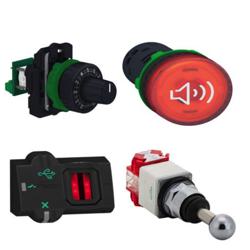
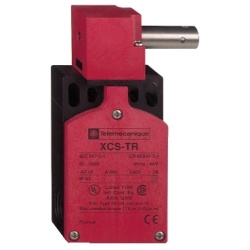
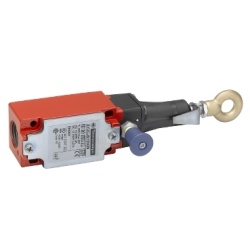
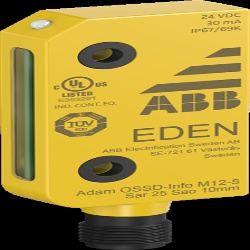
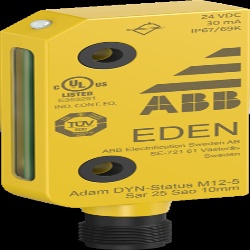
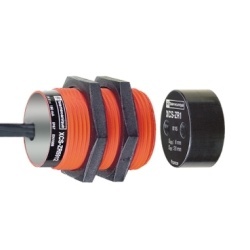
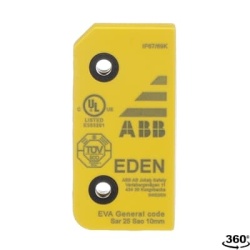
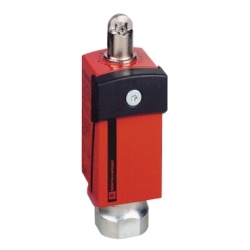
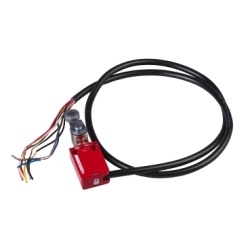
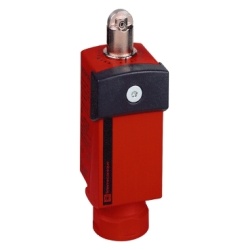
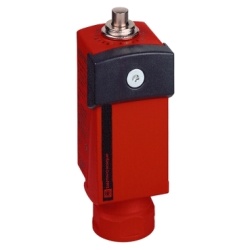
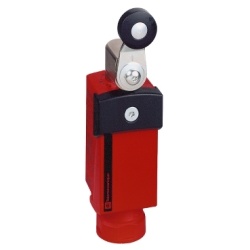
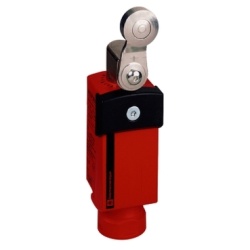
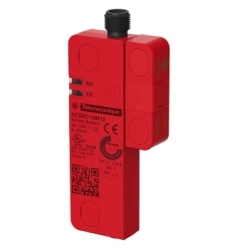
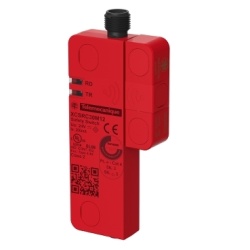
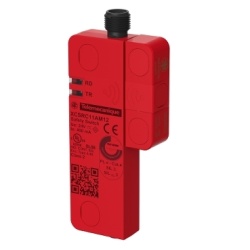
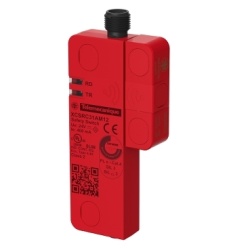
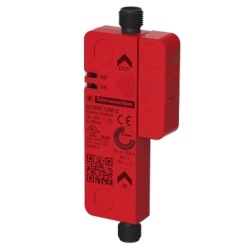
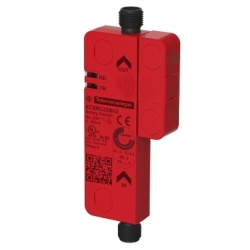
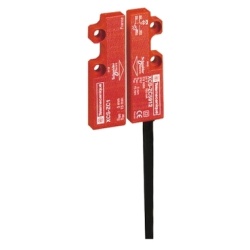
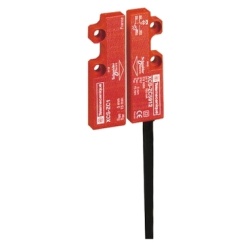
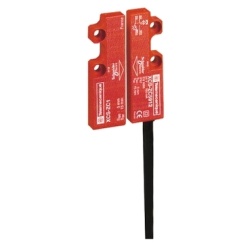
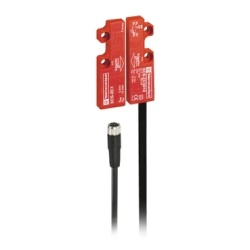
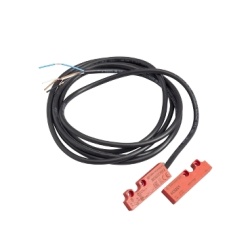
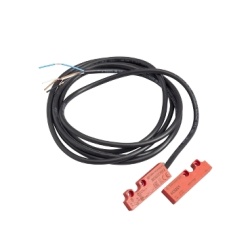
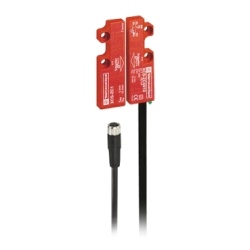
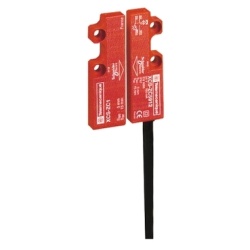
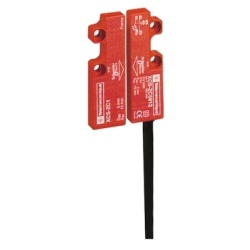
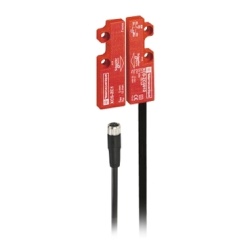
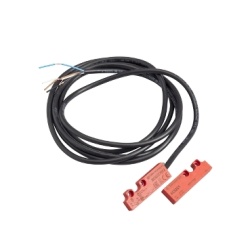
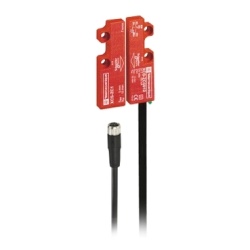
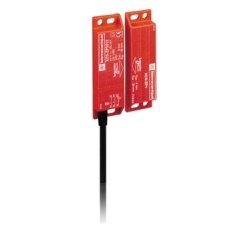
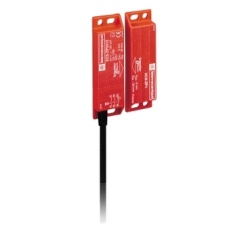
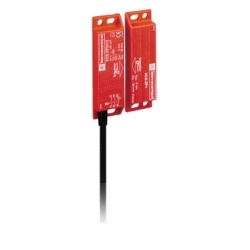
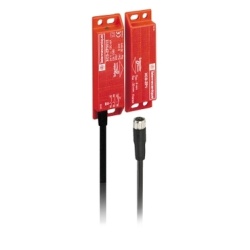
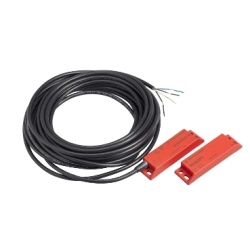
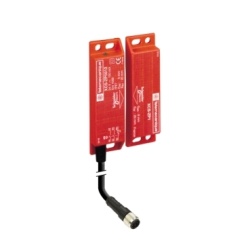
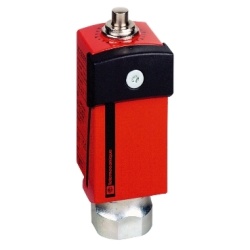

More Information about Safety Sensors
The safety sensors available today cover an array of environments and applications—from industrial equipment to automatic doors. They appear in many forms from many manufacturers, each offering tailored solutions to their particular safety problem. Underneath all those appearances, though, the modern safety sensor has a few key enhanced capabilities. First, it's able to detect things like human presence with greater reliability and under a wider set of conditions. Second, it's much tougher and more capable of functioning in environments that are anything but safe for the object doing the detecting.
FAQs
What are safety sensors used for in industrial applications?
Safety sensors are used to protect personnel and equipment by detecting access to hazardous areas and triggering a machine stop or safe state when danger is present. They are essential components of machine guarding systems in manufacturing, packaging, robotics, material handling, and automated processing environments.
What types of safety sensors are commonly used?
Common safety sensors include safety light curtains, safety laser scanners, safety interlock switches, magnetic safety switches, and presence-sensing devices. Each type is designed for specific hazards, such as open access points, guard doors, robotic cells, or enclosed machinery.
How do I choose the right safety sensor for my application?
Choosing the right safety sensor depends on the hazard type, access frequency, required safety performance level (PL or SIL), and installation environment. Light curtains are ideal for open areas, while interlock or magnetic switches are better suited for doors, gates, and fixed guards.
Are safety sensors required to meet specific safety standards?
Yes, industrial safety sensors are designed to comply with international standards such as ISO 13849 and IEC 61508. Many applications also require compliance with OSHA regulations, CE marking, and Performance Level (PL) or Safety Integrity Level (SIL) requirements.
Can safety sensors be integrated with PLCs and safety controllers?
Safety sensors are designed to integrate with safety relays, safety PLCs, and standard control systems. Proper integration ensures fast response times, reliable fault detection, and compliance with machine safety regulations across modern automation systems.