

Time Delay Relays
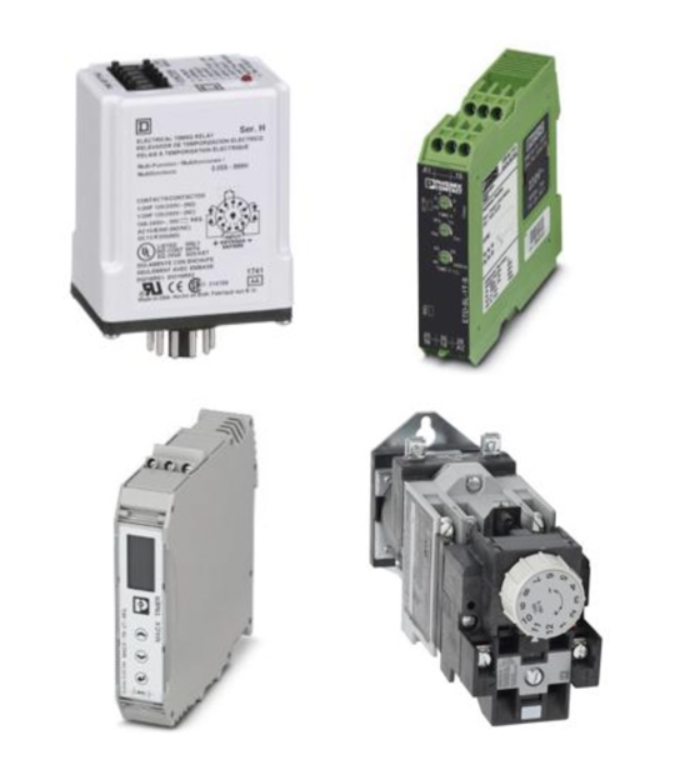
Time Delay Relays are control devices used to introduce a programmed delay into an electrical circuit, allowing loads to turn on, turn off, or cycle according to a defined timing sequence. By delaying contact operation after an input signal is applied or removed, these relays support staggered startup, sequential control, timed shutdown, and repeat-cycle functions. They are widely used in industrial automation, HVAC systems, lighting control, alarm circuits, and motor control panels where consistent timing improves reliability and operating efficiency.
Most time delay relays begin timing when a trigger signal is received, then change contact state after the selected delay period elapses. Common functions include on-delay (delay before contacts change state after energization), off-delay (delay before contacts return after de-energization), and repeat-cycle or interval timing (periodic on/off cycling). Adjustable timing ranges allow users to configure delays from fractions of a second to several minutes, depending on the model and application requirements.
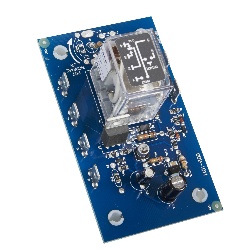
RSP Supply offers time delay relays from trusted manufacturers including ABB, Eaton, IDEC, Littelfuse, Phoenix Contact, and Schneider Electric. These relays are available in DIN-rail and panel-mount configurations with a range of control voltages suitable for AC and DC systems. Many models include user-adjustable dials or digital interfaces, along with LED status indicators to assist with commissioning and troubleshooting in demanding industrial environments.
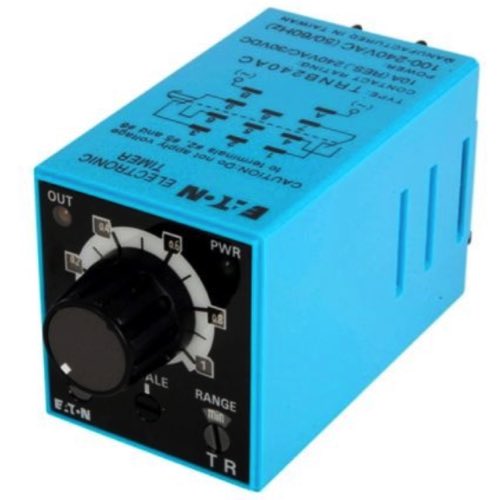 Eaton Time Delay Relays
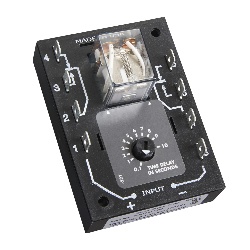
 IDEC Time Delay Relays
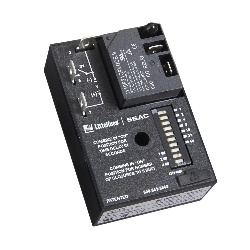
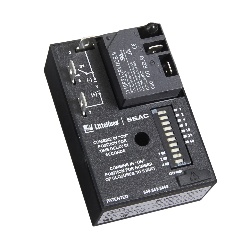
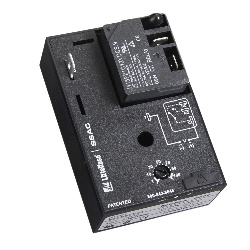
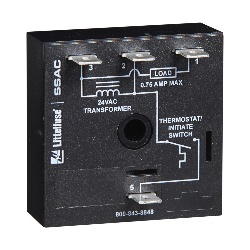
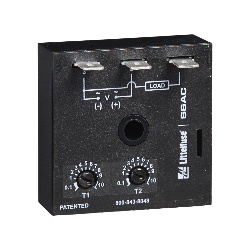
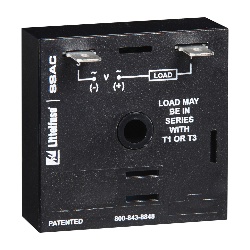
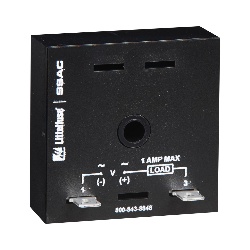
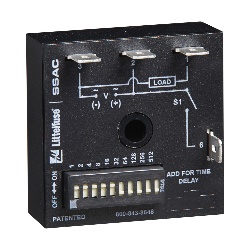
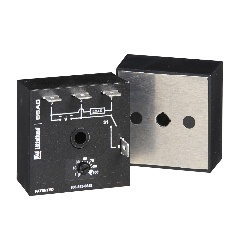
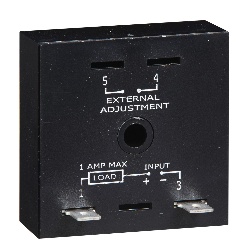
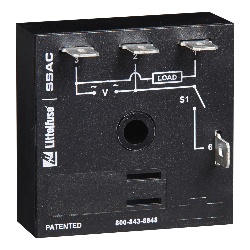
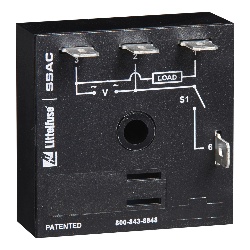
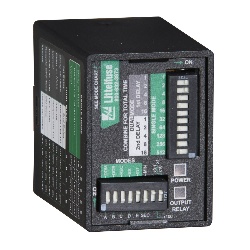
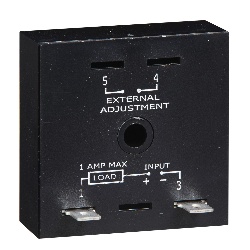
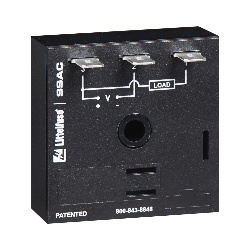
 Littelfuse Time Delay Relays
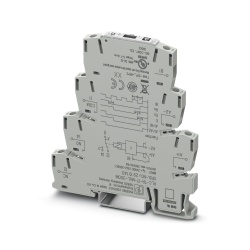
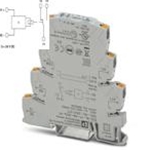 Phoenix Contact Time Delay Relays
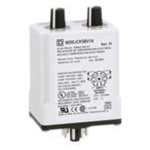 Square D Schneider Electric Time Delay Relays
















FAQs
Q: What are time delay relays used for?
Time delay relays are used to control when a circuit turns on, turns off, or cycles by introducing an adjustable delay, supporting sequencing, timed shutdown, and repeat operations.
Q: What is an on-delay time delay relay?
An on-delay relay waits for a preset time after the control signal energizes before changing its output contact state. This is commonly used to stagger startup loads and reduce inrush current.
Q: What is an off-delay time delay relay?
An off-delay relay changes contact state immediately when energized, then delays returning to its normal state after the control signal is removed. This is commonly used to keep fans or auxiliaries running for a set time after shutdown.
Q: What is a repeat-cycle timer relay?
A repeat-cycle timer relay continuously cycles its output on and off based on adjustable on/off timing intervals, often used for flashing lights, intermittent pumps, or periodic purging/venting.
Q: Do time delay relays require a battery?
Most time delay relays do not require a battery because they are typically powered by the circuit voltage. Some specialized models may include memory or backup features, but most standard industrial timer relays do not need a separate battery for operation.
Why Buy Time Delay Relays from RSP Supply
RSP Supply offers a wide selection of time delay relays for industrial and commercial control applications requiring dependable, repeatable timing. Our inventory includes adjustable on-delay, off-delay, and repeat-cycle timers in common control voltages and mounting styles to fit modern control panels and automation systems. Customers rely on RSP Supply for knowledgeable support, dependable sourcing, and timing components that integrate cleanly into sequencing, protection, and control designs.