
Flow Meters
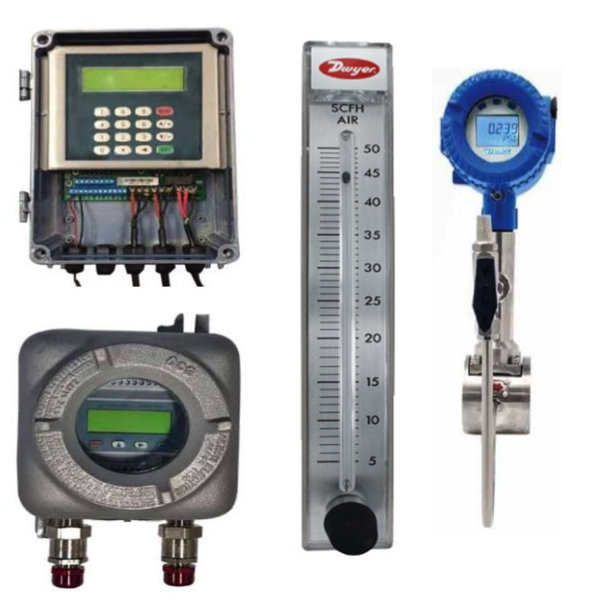
Flow meters are critical measurement devices used to monitor and control the movement of liquids and gases in industrial, commercial, and municipal systems. Accurate flow measurement supports efficient process control, energy management, safety compliance, and product quality across a wide range of applications. From simple monitoring to advanced automation, flow meters provide essential data for reliable system operation.
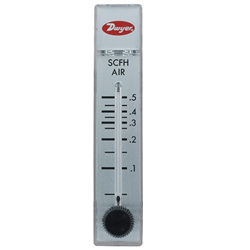
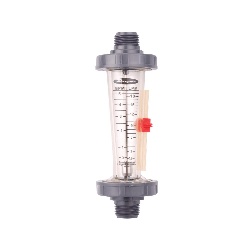
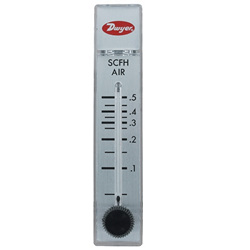
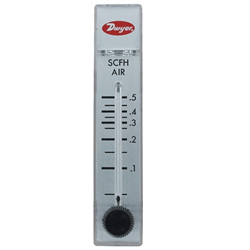
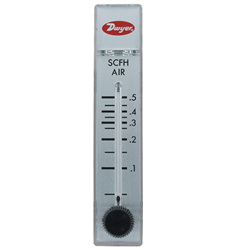
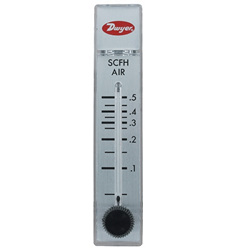
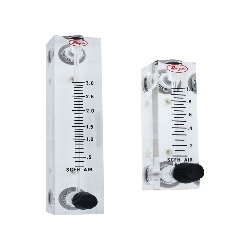
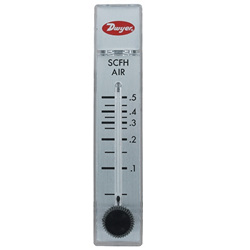
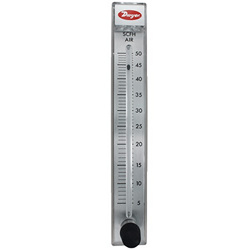
RSP Supply offers a comprehensive selection of flow meters designed for precise and repeatable measurement of liquids and gases. Available technologies include differential pressure flow meters, mass flow meters, and ultrasonic flow meters, each suited to specific process requirements. Differential pressure flow meters calculate flow based on pressure changes created by a restriction in the pipeline, while mass flow meters directly measure mass flow without relying on fluid properties such as temperature or pressure.
Designed for industrial environments, these flow meters deliver consistent performance with minimal maintenance requirements. Many designs feature no moving parts, reducing wear and improving long-term reliability. With solutions suitable for chemical processing, HVAC, water treatment, manufacturing, and process automation, flow meters help ensure accurate measurement, efficient operation, and dependable system control.


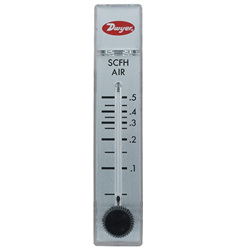

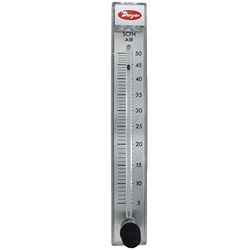
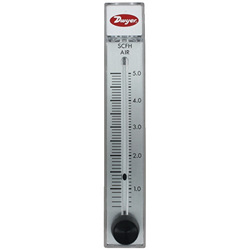
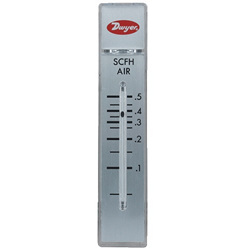
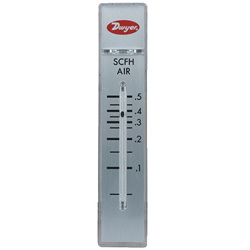
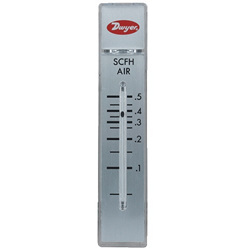
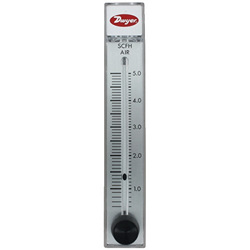

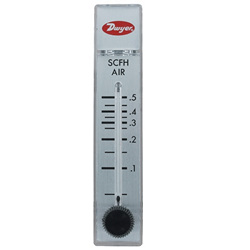
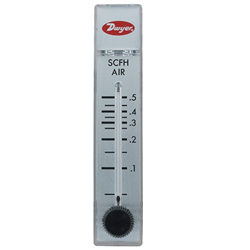
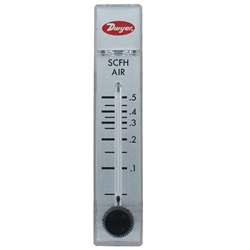
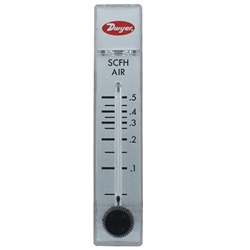
FAQs
Q: What is a flow meter and how does it work?
A flow meter measures the rate or quantity of liquid or gas moving through a pipe or system. Depending on the technology, it may measure velocity, pressure differential, mass flow, or fluid displacement to calculate flow rate.
Q: What types of flow meters are commonly used in industrial applications?
Common industrial flow meter types include differential pressure, mass flow, ultrasonic, magnetic, turbine, positive displacement, Coriolis, and vortex flow meters.
Q: What are mass flow meters used for?
Mass flow meters are used in applications that require accurate measurement of gas or liquid mass flow, regardless of changes in temperature or pressure. They are commonly used in chemical processing and process control systems.
Q: How accurate are industrial flow meters?
Accuracy varies by technology and application, with many industrial flow meters offering accuracy between ±0.1% and ±2% of reading. Proper sizing, installation, and calibration are key to maintaining accuracy.
Q: Do flow meters require calibration and maintenance?
Yes, most flow meters require periodic calibration and inspection to ensure accurate readings. Maintenance requirements depend on the flow meter design and process conditions, but regular verification helps prevent measurement drift.
Why Buy Flow Meters from RSP Supply
RSP Supply provides a trusted source for industrial flow meters designed for reliable liquid and gas measurement. Our selection supports a wide range of industries and applications, offering proven measurement technologies that help maintain accuracy, efficiency, and process control. Customers rely on RSP Supply for industrial-grade instrumentation, technical expertise, and dependable solutions for demanding measurement environments.