
Relays, Timers & Counters
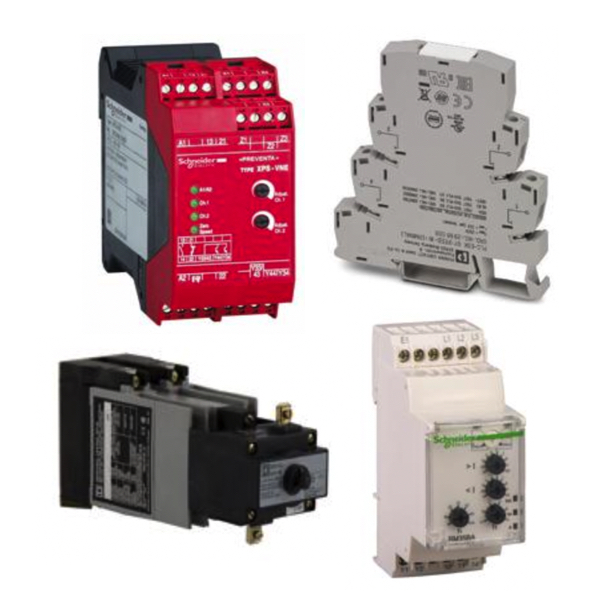
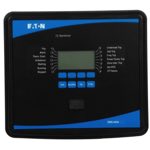
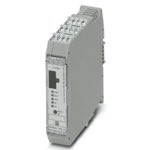
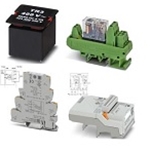
RSP Supply offers a wide selection of industrial relays designed for reliable electrical control, automation, and motor switching applications. Choose from electromechanical, solid state, and time delay relays - all built for performance and available with free ground shipping.
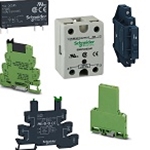
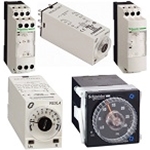
Electromechanical relays use mechanical contacts for dependable circuit switching, ideal for control panels and automation systems. Solid state relays offer silent operation and long service life for high-speed or high-cycle applications. Time delay relays add precision timing control for sequencing, startup, and shutdown functions.
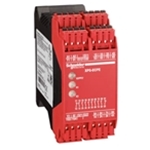
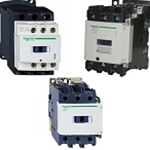
For high-power applications, contactors act as heavy-duty relays, safely switching motors and large electrical loads. Forcibly guided relays ensure added safety by preventing simultaneous contact closure, critical in safety circuits and monitoring systems.

FAQ's
1. Which brands of relays does RSP Supply carry?
RSP Supply offers relays from leading global manufacturers, including:
- ABB – trusted for industrial automation and control.
- Eaton – robust electromechanical and solid-state relays.
- IDEC – precision-engineered compact relay solutions.
- Lutze – efficient, durable control and timing relays.
- Phoenix Contact – reliable industrial signal and interface relays.
- Schneider Electric – advanced contactors and motor control relays.
- Weidmueller – dependable control and monitoring components.
- Littelfuse – high-performance protection and switching relays.
2. What’s the difference between electromechanical and solid-state relays?
Electromechanical relays use physical contacts to open or close circuits, while solid-state relays use electronic components for faster, quieter operation and longer life.
3. What are time delay relays used for?
They control when circuits turn on or off, allowing precise timing for sequential operations, soft starts, or shutdowns.
4. When should I use a contactor instead of a relay?
Use a contactor for high-current or motor control applications—these devices safely switch larger electrical loads over many thousands of cycles.
5. What are forcibly guided relays and where are they used?
Forcibly guided relays are electromechanical devices designed to ensure that normally open and normally closed contacts cannot close simultaneously, enhancing safety in control and monitoring systems.
What is a Relay & How it Works
What is a relay?
A relay is an electrically operated switch. Most relays use an electromagnetic to operate the switch. An electromagnet is a device that creates a magnetic field by passing an electrical current through a coil of wire. The magnetic field is then turned off when the current is removed.
Why use relays?
Relays are commonly used when there is a need to control a switch with high voltage or circuits with large amounts of current passing through them. Operating these types of switches manually can be dangerous, inefficient and impractical. By using relays, operational safety is increased while also providing the ability to use smaller, safer and less expensive electrical equipment to control devices. Using relays allow for control of several devices on a single switch, as opposed to using several switches for each device. Relays can be combined with timers and logic circuits to assist in electrical automation.
How do relays work?
A relay consists of two separate circuits that work together to open or close a switch (or contacts). The first circuit drives the coil (or electromagnet). The electricity passes through the coil, creating a magnetic field. The second circuit contains a set contacts and a separate power source. This circuit is what provides power to the electrical load.
When electricity passes through the coil, it creates a magnetic field. This magnetic field pulls the contact from the other circuit closed (or against the stationary contact) which will allow current to pass through the contacts, therefore allowing the load to become energized. When the coil is de-energized, the magnetic field is gone which allows the contact to be pushed back into its original state, de-energizing the load side of the circuit.