
Terminal Blocks & Connectors
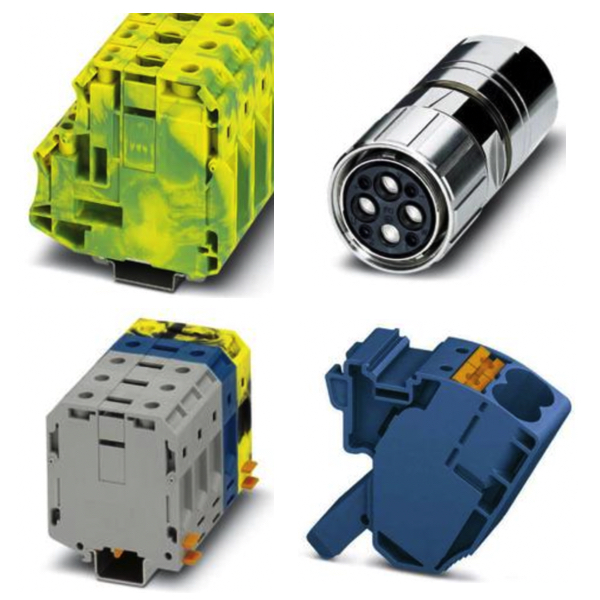
Terminal blocks and connectors are essential components for creating secure, organized, and reliable electrical connections across industrial, commercial, and automation environments. Terminal blocks are commonly used to connect two or more conductors while maintaining clean wire routing and efficient current distribution. Each electrical terminal block provides a dedicated termination point that simplifies installation, inspection, and long-term maintenance within control panels, machinery, and building systems.
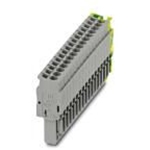
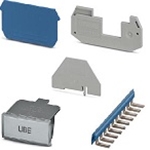
Available in screw, spring clamp, and push-in styles, terminal blocks offer flexibility for different wiring preferences and conductor types. Terminal block connector designs maintain consistent contact pressure, support vibration resistance, and reduce the risk of loose connections. In addition to fixed terminal blocks, connector block solutions and electrical connectors enable removable or pluggable connections, supporting modular system design and simplified servicing. From PCB-mounted terminal blocks to high-voltage and barrier-style connectors, terminal blocks and connectors form the backbone of safe, serviceable electrical wiring systems.
FAQs
Q: What are terminal blocks designed for?
Terminal blocks are designed to securely terminate and organize electrical conductors without splicing. An electrical terminal block creates a reliable connection point that improves wiring clarity, safety, and maintainability in control and power systems.
Q: What is the difference between a terminal block connector and a connector block?
A terminal block connector typically refers to a fixed connection point used to terminate conductors, while a connector block often describes a removable or pluggable connection that allows devices or circuits to be disconnected without rewiring.
Q: What is the difference between screw, spring, and push-in terminal blocks?
Screw terminal blocks use mechanical tightening to secure conductors, spring clamp terminal blocks maintain constant pressure without screws, and push-in terminal blocks allow direct conductor insertion without tools for faster installation.
Q: Where are PCB terminal blocks commonly used?
PCB terminal blocks are used on circuit boards in applications such as power supplies, motor drives, control electronics, and automation equipment where direct wire-to-board connections are required.
Q: Are terminal blocks suitable for industrial environments?
Yes, terminal blocks are designed to withstand vibration, temperature variation, and electrical loads commonly found in industrial control panels, automation systems, and commercial installations.
Why Buy Terminal Blocks & Connectors from RSP Supply
RSP Supply offers a broad selection of terminal blocks and connectors designed for secure wiring, reliable performance, and efficient panel organization. Customers rely on RSP Supply for access to proven connection solutions that integrate seamlessly into industrial, commercial, and automation systems.