

Pressure Gauges
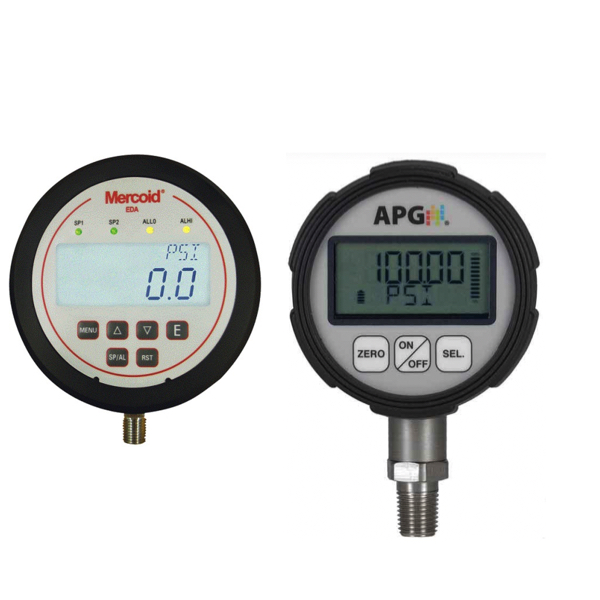
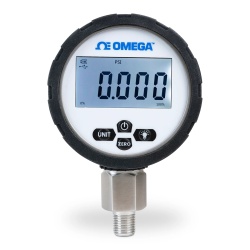
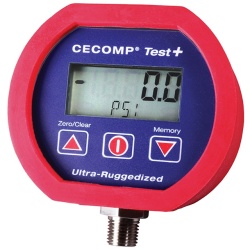
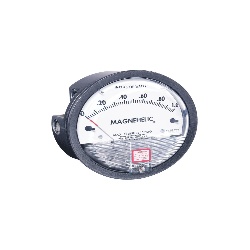
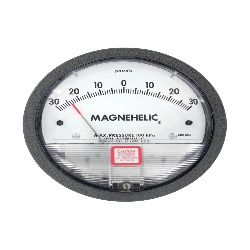
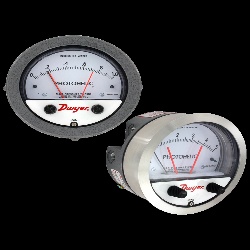
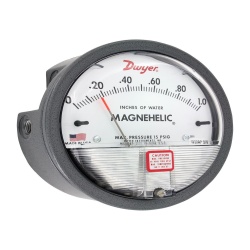
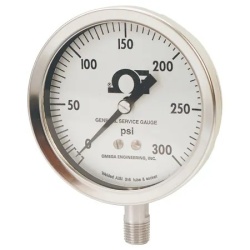
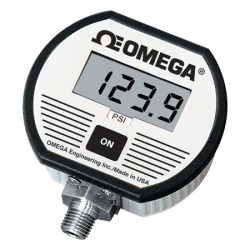
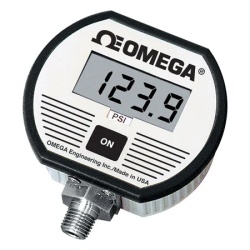
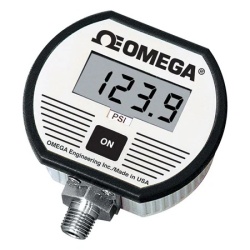
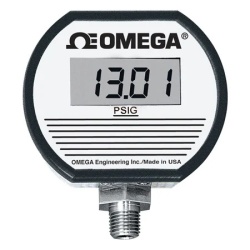
In various industrial applications, pressure gauges are used to measure the pressures of gases and liquids and to show how hard those substances are pushing against the walls of a container. They come in different types, including differential pressure gauges, which are used to measure how much pressure is lost between two points in a system, and the digital pressure gauges, which give accurate, easy-to-read readings in real time. HVAC and boiler gauges measure both the temperature and water pressure in boilers.
Pressure gauges made of stainless steel are tough and can withstand corrosion. This makes them appropriate for the kinds of environments and processes that are unkind to equipment, such as those involving chemicals and other aggressive fluids that can attack metal under certain conditions. Liquid-filled gauges are also good candidates for these processes, especially if they might vibrate or pulse. The fluid inside the gauge (usually glycerin or silicone) dampens the needle's movement, allowing it to settle at a more stable reading than if the needle were to dance around in the unfilled gauge.















FAQs
What is a pressure gauge and what does it measure?
A pressure gauge is an instrument used to measure the pressure of gases or liquids within a system. It displays pressure readings in units such as PSI, bar, or kPa, helping operators monitor system performance, ensure safe operating conditions, and prevent equipment damage. Pressure gauges are essential for process control, safety compliance, and troubleshooting across industrial, commercial, and HVAC applications.
What are the different types of pressure gauges and how do I choose the right one?
Common pressure gauge types include Bourdon tube, diaphragm, capsule, digital, and differential pressure gauges. The right choice depends on factors such as pressure range, media compatibility, accuracy requirements, environmental conditions, and whether the application involves vibration, pulsation, or corrosive fluids. Selecting the correct pressure gauge ensures accurate readings, long service life, and reliable system monitoring.
What industries commonly use pressure gauges?
Pressure gauges are widely used in oil and gas, manufacturing, chemical processing, water and wastewater treatment, HVAC systems, pharmaceuticals, food and beverage production, and energy generation. These industries rely on pressure gauges to maintain safe operating pressures, verify system performance, and meet regulatory requirements. Accurate pressure measurement helps reduce downtime, prevent leaks, and improve overall efficiency.
How accurate are pressure gauges and what affects their accuracy?
Pressure gauge accuracy varies by design and quality, with typical accuracy ranging from ±0.25% to ±2% of full scale. Factors that affect accuracy include temperature changes, vibration, pressure spikes, overpressure exposure, and gauge wear over time. Proper gauge selection, correct installation, and routine calibration help maintain reliable pressure readings.
Do pressure gauges require calibration and regular maintenance?
Yes, pressure gauges should be calibrated periodically to ensure continued accuracy and safe operation. Calibration intervals depend on application criticality, regulatory standards, and operating conditions, but routine inspection and maintenance help detect drift or mechanical damage early. Regular calibration improves measurement reliability and extends the lifespan of the gauge.